


Geschreven door Bjorn Hutgens, Manager sales
Geschatte leestijd: 5 minuten
A warehouse rarely runs out of space overnight. The first signs are smaller: pallets waiting in temporary areas, fast-moving products sitting too far from the pick zone and operators spending more time working around space problems than moving orders forward. External storage can take the pressure off for a while, but it also creates extra transport, planning and waiting time. Products may be available on paper, while the warehouse team still has to wait for them to arrive. When new construction is too disruptive or too far away, the real question becomes: how much growth can the current building still support? A better storage design answers that question by looking at how stock moves through the building. Automated storage systems can create room, but only when the concept fits the products, the available space and the work that needs to happen every day.
ARCO Solutions helps companies map where space is lost, which stock movements create extra handling and which solution can be implemented without disrupting daily work.
In this blog, you will learn:
- Where hidden storage pressure appears before a warehouse feels full
- How smarter storage design creates room inside the existing building
- What to assess before choosing AutoStore, miniload or a shuttle system

Storage pressure often starts before the warehouse looks full
A warehouse can still have empty locations and feel overcrowded. That happens when the available space no longer matches the way goods need to move. Slow-moving stock may occupy locations that should support faster movement. Fast movers may sit too far away from picking or packing. Overflow stock may end up in temporary zones that were never meant for daily use.
The effect is visible on the floor: pallets in temporary lanes, pickers walking around blocked areas and replenishment teams moving stock twice before it reaches the right location. Supervisors spend more time coordinating workarounds instead of improving the daily routine. A better storage design starts by finding the places where space creates extra handling. The goal is not only to store more products, but to make stock easier to access, replenish and move to the next step.
External storage can hide the real issue
External storage often feels like the quickest answer when the warehouse reaches its limits. It creates extra room without changing the current building. During seasonal peaks or temporary stock increases, that can be useful. As a structural solution, it brings extra work into the operation. Stock at another location needs transport. Planning becomes harder because products are not always available where the work happens. Teams have to coordinate internal stock, external stock movements and urgent replenishment at the same time.
That adds cost and complexity. It also makes daily control harder. If external storage becomes part of the normal routine, the internal storage setup deserves a closer look. A better design may reduce overflow by using the current building more intelligently. That can mean compact automated storage, better product slotting or a stronger connection between storage, replenishment and picking.
Automated storage creates room when it fits the movement of stock
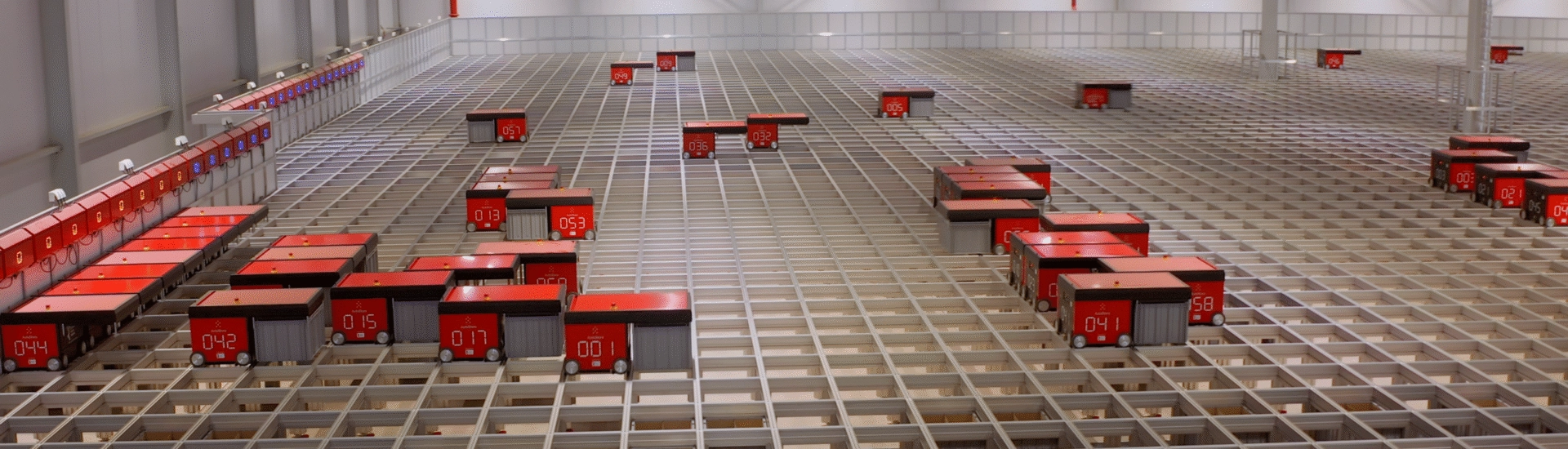
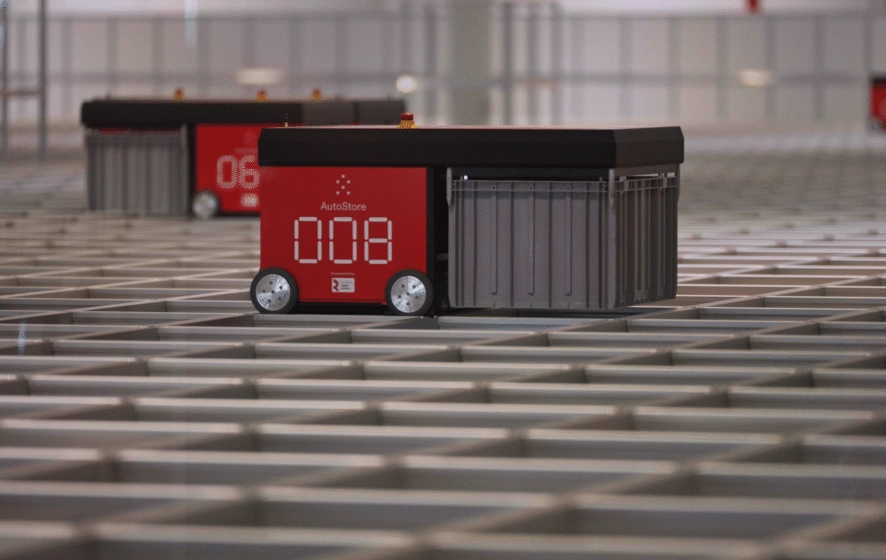
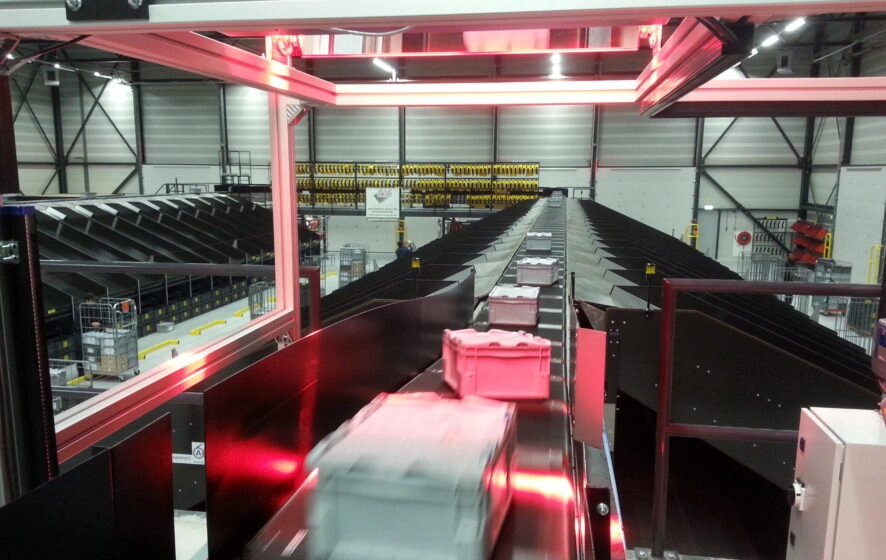
Automated storage systems do more than place products closer together. They change how stock is stored, retrieved and presented to the next process step. AutoStore is often considered when small goods need to be stored more compactly. Miniload systems can fit structured bin or tote handling where controlled infeed and outfeed are important. Shuttle systems are often assessed when goods need to move more dynamically between storage, picking and outbound. The right choice depends on the role storage plays in the wider operation. A compact system can free up floor space, but products still need to be accessible at the right moment. A high-throughput concept can support growth, but only when it matches the order profile, product mix and available building height.
For operators, the impact should be practical: less walking, fewer searches and fewer workarounds when stock is not where the next step needs it. For supervisors, automated warehouse storage can create better visibility into availability and stock movement. When the storage system connects with the software layer, teams can see which locations are under pressure, where replenishment is falling behind and how stock availability affects picking or outbound. That turns storage from a space problem into a process decision.

The right concept starts with the work behind the stock
Choosing between AutoStore, miniload or a shuttle system should start on the warehouse floor. The right storage concept is the one that supports the work that has to happen every day.
Useful questions include:
- Which products create the most storage pressure?
- Which items need to sit close to picking, packing or outbound?
- How often does stock move in and out?
- Where does replenishment lose time?
- How much height can the building use safely?
- Which routes or areas are already under pressure?
- Which software connections are needed?
- What service access is required after go-live?
These questions keep the discussion practical. A compact system can create room, but it should not make access harder. A faster system can increase capacity, but only if the rest of the warehouse can keep up.
The wrong concept moves the bottleneck. The right concept reduces unnecessary handling, gives operators a clearer routine and gives supervisors better control over capacity.
A redesign must protect daily operations
A storage redesign inside an active warehouse needs careful planning. The business still has to receive goods, prepare orders and ship on time while the project moves forward. That is why the implementation approach matters. Before choosing a system, companies need to know how the change affects daily work. Which areas stay operational? Which routes need a temporary setup? Which teams need training before go-live? Where does service access need to be available after implementation?
ARCO looks at storage design as part of a complete intralogistics setup. The storage concept has to connect with inbound and replenishment before the pick. It also has to support the route towards packing and outbound.
Hardware and software need to work together, supported by service after implementation. A good design therefore looks beyond capacity. It also protects the daily operation during the transition.
Checklist: what to review before redesigning storage
Use this checklist when new construction is off the table:
- Where does stock create daily friction?
- Which products occupy locations that should support faster movement?
- How much cost, transport and coordination does external storage add?
- How much time do operators spend moving stock around the problem?
- Where are temporary storage areas becoming part of the daily routine?
- Does replenishment keep pace with demand?
- Which AutoStore, miniload or shuttle concept fits the real stock movement?
- Can WMS or WCS software support the desired setup?
- What service access is needed after go-live?
- How can the warehouse stay operational during implementation?
This review helps separate symptoms from root causes. The warehouse may need more capacity, but the first improvement often comes from better structure.
How ARCO Solutions supports smarter storage design
ARCO Solutions helps companies redesign storage as part of the wider warehouse operation. The process starts with the current building and the work inside it: where space is lost, which stock movements create extra handling and which constraints need to be respected during implementation. Depending on the situation, ARCO can assess whether AutoStore, miniload, a shuttle system or another automated storage concept fits best. The focus is on a practical setup that creates room for growth without making daily work harder.
Because ARCO designs automation solutions as part of complete intralogistics flows, storage is not treated as a separate capacity issue. It is connected to the process around it, including replenishment, picking, packing, outbound and the software layer behind the operation. Want to know how much growth your existing warehouse can still support? Discuss your storage challenge with ARCO Solutions and find out which solution fits your building and operation.

Want to know more
Our technical experts are always ready to take on your challenges. Do you face issues for which there seems to be no solution yet? At ARCO we are known for developing innovative, customized systems that keep your logistics moving.
- 24/7 support from our experts
- Tailor-made solutions for every challenge
- Continuous improvement built into every system
What our customers say about us
“With our 60% annual growth, our old facility soon reached its limits. Thanks to ARCO’s automated logistics process, we now handle 16,000 orders a day and have room to keep expanding.”

“ARCO’s experience in the mushroom industry helps us open new markets worldwide with our LED2D technology. The partnership creates a very unique combination of knowledge and technology.”

“We saw great commitment and determination. ARCO didn’t leave until the system was running. That shared drive made the cooperation truly enjoyable.”
“ARCO delivered an automated solution that integrates seamlessly with our pick line. Their dedicated approach and smooth execution made it a partnership worth repeating.”

‘When you both believe in solutions, great results come naturally.’

‘ARCO has simplified our production process. Thanks to the comprehensive package of services and the customized solutions, ARCO is the ideal supplier for us.’

“Our cooperation with ARCO was excellent. Where we previously relied on manual and labour-intensive processes, we now have a fully automated system that makes our production far more efficient.”

“ARCO responded quickly and showed great creativity in the design and test setups. Our close cooperation made the successful implementation of the new packaging line possible.”

“ARCO is a no-nonsense partner that thinks in practical, affordable solutions. With their expertise, they build strong and efficient intralogistics systems. We look forward to working together again.”

‘ARCO’s weighing line has had a major impact on our production. Our new system cuts product losses by up to 6%. It was a successful project and a rewarding collaboration.’

Read the latest articles





FAQ
How can a warehouse create room for growth without new construction?
A warehouse can create room by improving storage structure, reducing overflow areas and using automated storage systems where they fit the operation.
When should a warehouse consider automated storage?
A warehouse should consider automated storage when space shortages, travel time, overflow areas or external storage start to affect daily operations.
How do you choose between AutoStore, miniload and shuttle systems?
The right choice depends on product size, stock movement, throughput needs, building constraints and the flow towards picking, packing or outbound.
The terms are often used for the same type of guided picking technology. Both refer to light-based guidance during the picking process.