


Geschreven door Bjorn Hutgens, Manager sales
Geschatte leestijd: 5 minuten
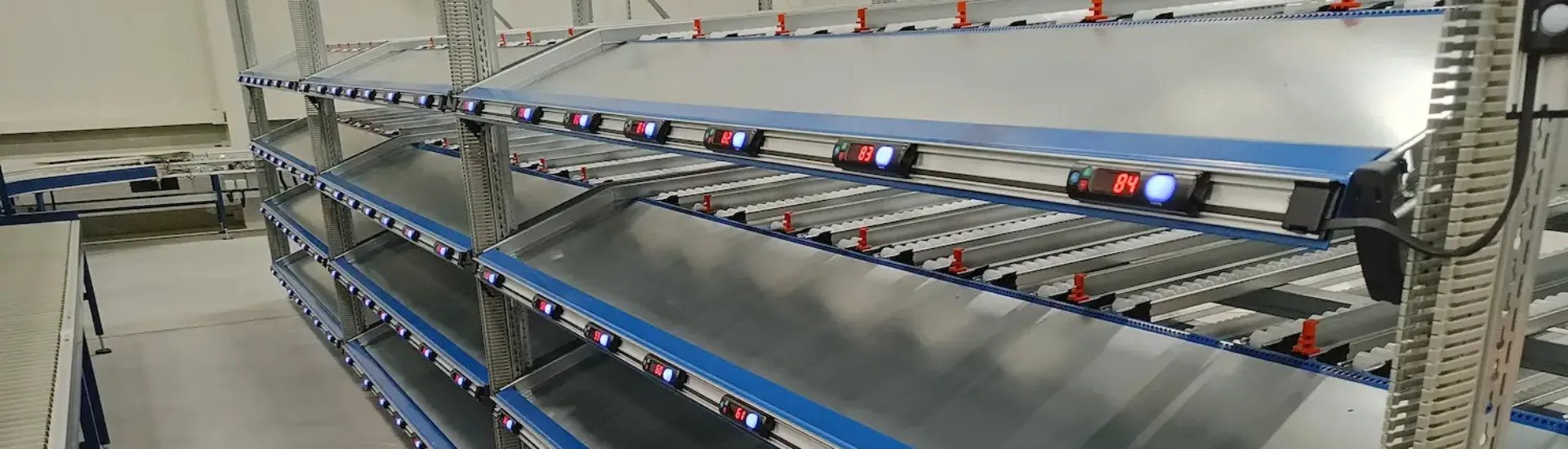
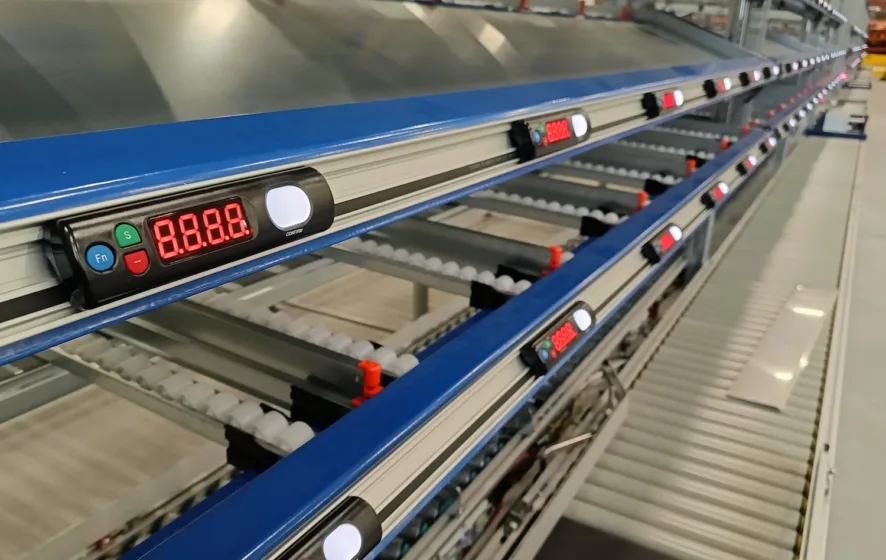
Manual picking can become harder to manage when order volumes are high, accuracy requirements increase or more speed is needed from the picking process. Pickers spend more time searching and correcting. New employees need longer to get up to speed, while small errors can affect packing and outbound. Pick-by-light reduces that friction by giving pickers visual confirmation at the location itself. A light shows where to pick. A display can indicate the required quantity. The system works best when it fits the complete warehouse setup.
ARCO Solutions designs and implements pick-by-light solutions tailored to the customer’s processes, while also assessing the bigger picture: how picking connects with storage, replenishment, packing, software integration and the wider intralogistics flow.
In this blog, you will learn:
- When pick-by-light becomes relevant in a warehouse
- Which signals show that manual picking is reaching its limit
- What to assess before choosing a pick-by-light system
When manual picking starts limiting performance
Manual picking can come under pressure for different reasons. Pickers may spend too much time searching for the right location, errors may increase or the required picking speed may become difficult to achieve. Paper lists and manual checks also require extra attention, especially when product ranges are large or similar items are stored close together.
Pick-by-light gives employees direct visual guidance at the shelf or location. The light shows where to pick, while the display can indicate the required quantity. This reduces searching and manual checking, helps prevent picking errors and supports a higher picking speed. At the same time, pickers can focus more attention on exceptions such as missing stock or damaged items. The result is a more controlled picking process that can support higher output and greater accuracy.
Signs your manual picking process is under pressure
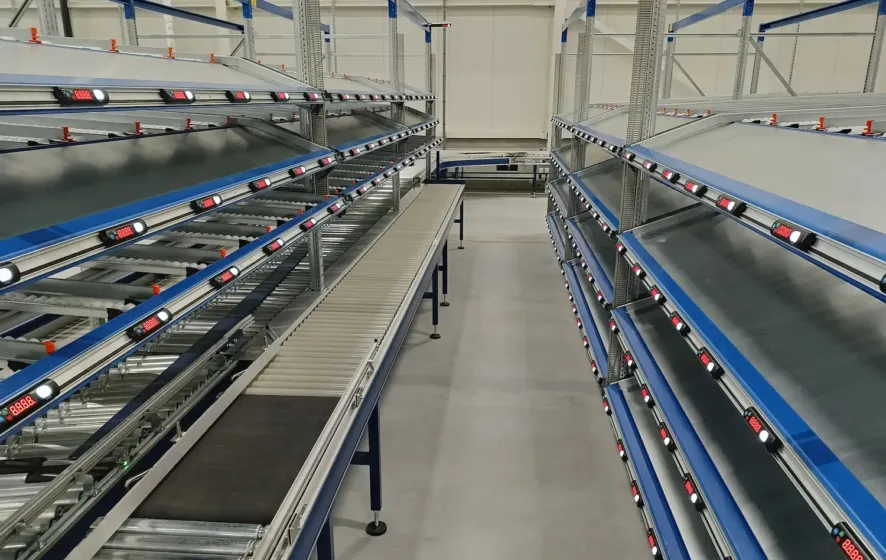
A pick-by-light system becomes relevant when the current way of working creates friction on the warehouse floor. The signs are often visible before the operation reaches its limit.
Common signals include:
- Pickers spend too much time searching for locations
- Supervisors have limited real-time insight into picking progress
- Picking errors appear more often during busy periods
- New employees need a long time to learn the routine
- Product variants are difficult to distinguish
- Manual checks slow down the workflow
- Picking routes no longer match the order profile
- Packing often detects issues from earlier steps
These signals are a reason to review the picking routine. The answer may lie in layout changes or better stock control. In other cases, guided picking at fixed locations can make the biggest difference.
Where pick-by-light works well
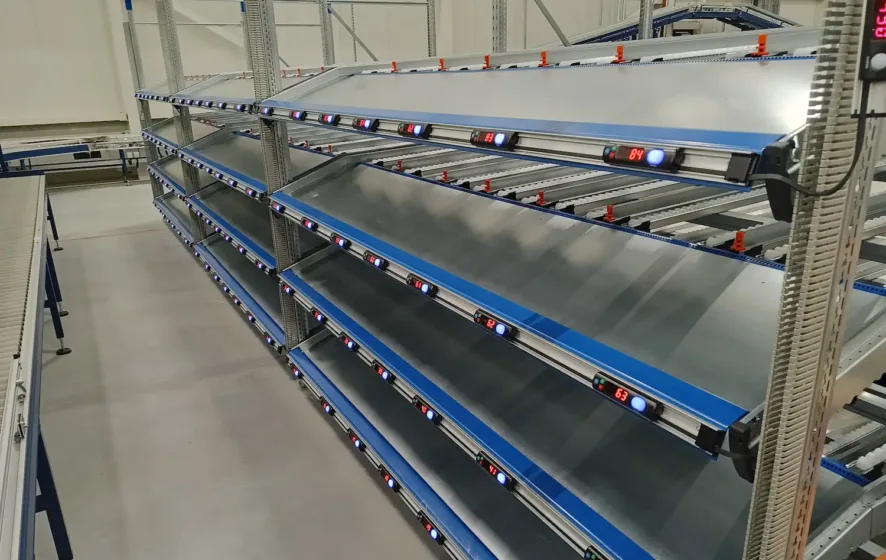
Pick-by-light is especially useful in environments where employees pick from fixed locations, need fast visual confirmation and where a high picking speed is required. This makes it suitable for small-item picking and zone-based operations where speed and accuracy matter. The method is also useful for repetitive picking tasks. Instead of checking a list, finding the shelf and verifying the item manually, the picker receives confirmation at the location itself. This makes the task more intuitive and reduces unnecessary interpretation.
Pick-by-light can also support order flows that change during the day. Active order data determines which locations light up and in which sequence. This helps warehouse teams keep structure in their daily work, even when demand patterns shift. For growing warehouses, that flexibility matters. The chosen method should support current volumes while leaving room for future changes in layout or order profiles.
Pick-by-light depends on the surrounding flow
A pick-by-light system depends on the processes around it. If stock information is unreliable, the light may guide the picker to the right location while the product is still missing. If replenishment is late, picking will still stop. If packing receives incomplete information, errors move further downstream. That is why ARCO looks at order picking as part of the full intralogistics setup. What happens before the pick matters, including storage and replenishment. What happens after the pick matters as well, especially packing and outbound handling.
Software also plays an important role. A pick-by-light setup needs the right connection to the warehouse software layer, so order information and pick confirmations stay aligned. This not only creates better visibility, but also generates valuable operational data. Teams can see when picks are made, how many items are picked and how quickly the process is running. Compared with paper based picking, this provides much more insight into actual performance. That data can be used to identify bottlenecks, compare performance and make better informed decisions about the picking process. In this way, pick-by-light supports both daily execution and continuous process improvement.
When another order picking method fits better
Pick-by-light works best in a structured setup with fixed picking locations. Some operations need more flexibility because pickers move through larger zones or handle changing product types. In those cases, another order picking method may be more suitable. ARCO’s order picking solutions can include pick-to-cart or mobile order picking. Put-to-wall/light can support processes where items are sorted after picking.
The right choice depends on the warehouse. A setup with many small items at fixed locations may benefit from light-based guidance. A routine with batch picking and later sorting may need a different configuration. The better question becomes: “Which picking method fits our flow and growth plans?”
What to assess before choosing pick-by-light
Use this checklist when deciding whether pick-by-light makes sense for your warehouse:
- Where do picking delays occur most often?
- Are errors linked to specific locations or product groups?
- How much time do pickers spend reading or checking instructions?
- Do new employees learn the routine quickly enough?
- Are pick locations fixed and clearly structured?
- Is stock information reliable at the pick location?
- Can the system connect to WMS or WCS software?
- How will picked goods move towards packing?
- Does the solution support expected growth?
This assessment helps prevent a technology-first decision. Pick-by-light should either address a real operational challenge or improve an already well-performing picking process. If the main issue lies in stock accuracy or layout, that should be addressed first.
How ARCO Solutions supports pick-by-light projects
ARCO Solutions starts with a consultancy phase, using process and data analysis to understand where improvements can be made. Based on this, ARCO determines whether pick-by-light is the right fit and how it should connect with the wider intralogistics flow.
ARCO then designs and implements a solution tailored to the operation, including picking, replenishment, software integration and packing. Want to know whether pick-by-light fits your warehouse? Discuss your picking process with ARCO Solutions.
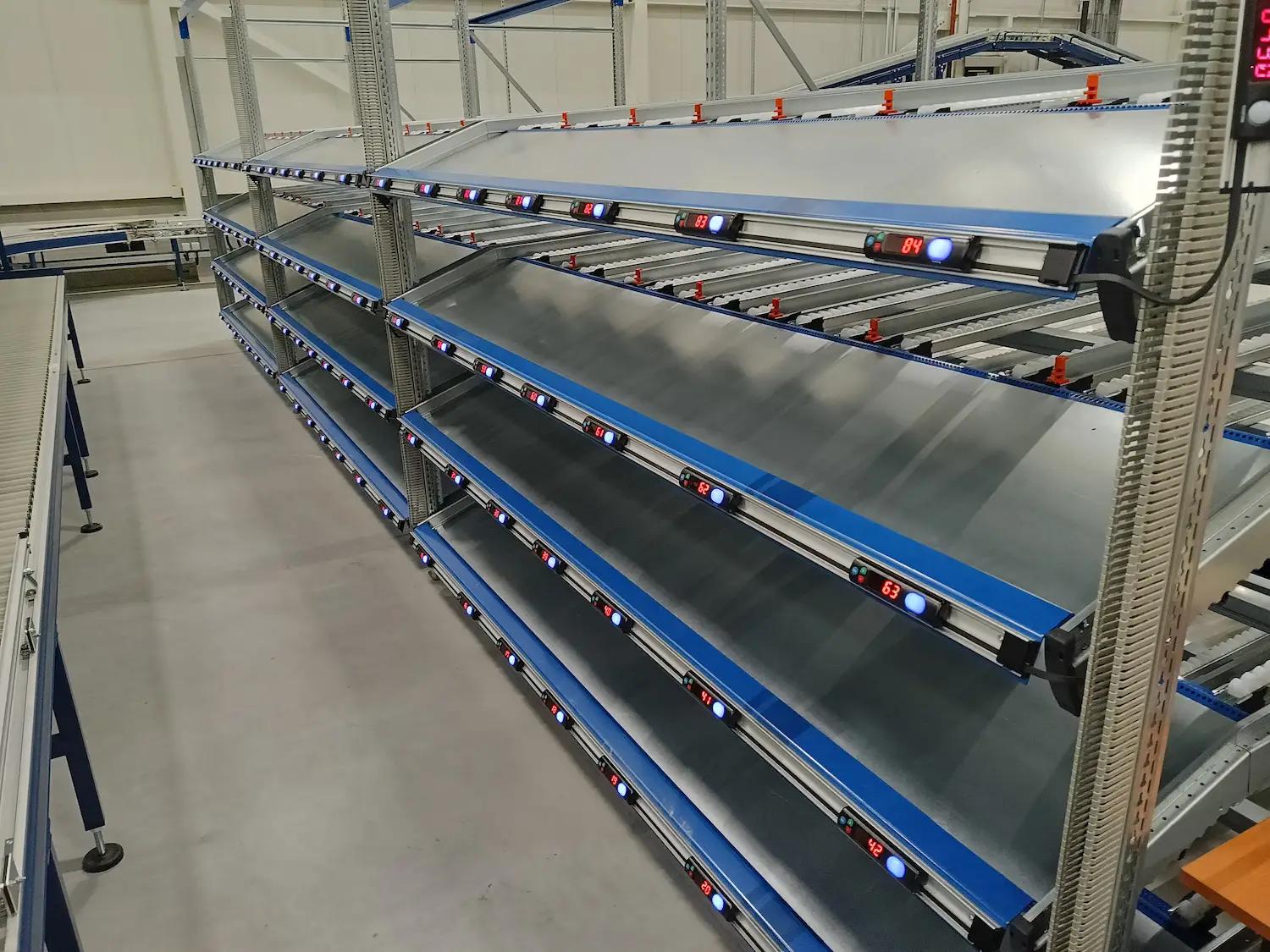
When does pick-by-light make sense in your warehouse?
Manual picking can become harder to manage when order volumes are high, accuracy requirements increase or more speed is needed from the picking process. Pickers spend more time searching and correcting. New employees need longer to get up to speed, while small errors can affect packing and outbound. Pick-by-light reduces that friction by giving pickers visual confirmation at the location itself. A light shows where to pick. A display can indicate the required quantity. The system works best when it fits the complete warehouse setup.
ARCO Solutions designs and implements pick-by-light solutions tailored to the customer’s processes, while also assessing the bigger picture: how picking connects with storage, replenishment, packing, software integration and the wider intralogistics flow.
In this blog, you will learn:
- When pick-by-light becomes relevant in a warehouse
- Which signals show that manual picking is reaching its limit
- What to assess before choosing a pick-by-light system
What our customers say about us
“With our 60% annual growth, our old facility soon reached its limits. Thanks to ARCO’s automated logistics process, we now handle 16,000 orders a day and have room to keep expanding.”

“ARCO’s experience in the mushroom industry helps us open new markets worldwide with our LED2D technology. The partnership creates a very unique combination of knowledge and technology.”

“We saw great commitment and determination. ARCO didn’t leave until the system was running. That shared drive made the cooperation truly enjoyable.”

“ARCO delivered an automated solution that integrates seamlessly with our pick line. Their dedicated approach and smooth execution made it a partnership worth repeating.”

‘When you both believe in solutions, great results come naturally.’

‘ARCO has simplified our production process. Thanks to the comprehensive package of services and the customized solutions, ARCO is the ideal supplier for us.’

“Our cooperation with ARCO was excellent. Where we previously relied on manual and labour-intensive processes, we now have a fully automated system that makes our production far more efficient.”

“ARCO responded quickly and showed great creativity in the design and test setups. Our close cooperation made the successful implementation of the new packaging line possible.”

“ARCO is a no-nonsense partner that thinks in practical, affordable solutions. With their expertise, they build strong and efficient intralogistics systems. We look forward to working together again.”

‘ARCO’s weighing line has had a major impact on our production. Our new system cuts product losses by up to 6%. It was a successful project and a rewarding collaboration.’

Read the latest articles






FAQ
What is a pick-by-light system?
A pick-by-light system uses visual signals to guide pickers to the correct pick location. It can also show the quantity that needs to be picked.
When should a warehouse consider pick-by-light?
Pick-by-light is worth considering when pickers work from fixed locations and lose time searching, checking or distinguishing similar products.
Is pick-by-light the same as pick-to-light?
The terms are often used for the same type of guided picking technology. Both refer to light-based guidance during the picking process.